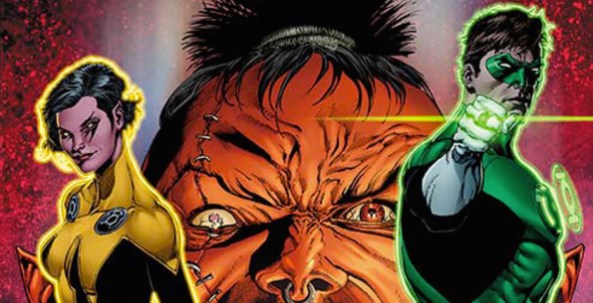
Who To Protect and Who to Serve in Hal Jordan and the Green Lantern Corps 23

by Patrick Ehlers

This article contains SPOILERS. If you haven’t read the issue yet, proceed at your own risk!

“To Protect and to Serve.”

LAPD motto

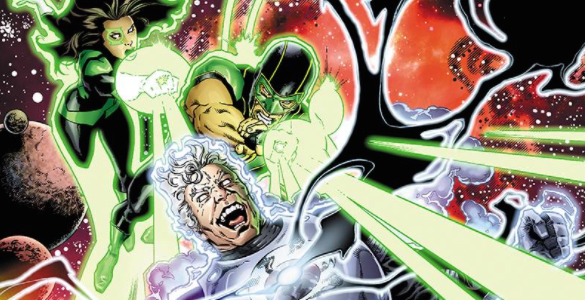
The motto above (or some variation thereof) is so commonplace among police forces that it’s easy to forget that the saying originated from a contest the Los Angeles Police Department held in 1955. They were gathering submissions for slogans for the police academy, and Officer Joseph P. Dorobeck submitted the now-famous five-word phrase. By the end of 1963, the motto was officially adopted by the LAPD. Less than two years later, the Watts Riots pitted police against civilians, in a role that was neither serving nor protecting them. The Los Angeles Police have had a rough history with the people they’re meant to protect, often revealing the population they serve to be themselves. In this week’s Hal Jordan and the Green Lantern Corps, writer Robert Venditti reminds us that the Green Lanterns are just cops, with all the same failings as the LAPD. Continue reading
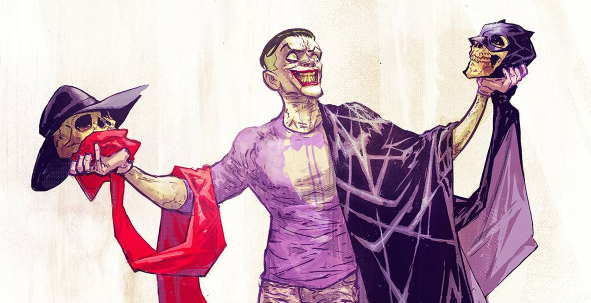
A New Take on an Old Myth in Batman/Shadow 3

by Michael DeLaney

This article contains SPOILERS. If you haven’t read the issue yet, proceed at your own risk!

“Forget everything you think you know” is a phrase that has become overused in pop culture — particularly in marketing movies like last year’s Doctor Strange. Nevertheless, I couldn’t help but think about it while reading Batman/The Shadow 3. Steve Orlando and Scott Snyder challenge our presumptions on Batman’s origins by positing that he is destined to inherit the mantle of The Shadow. Continue reading

Wants, Needs, and Given Circumstances in The Wild Storm 5

by Ryan Desaulniers

Wild Storm 5

This article contains SPOILERS. If you haven’t read the issue yet, proceed at your own risk!

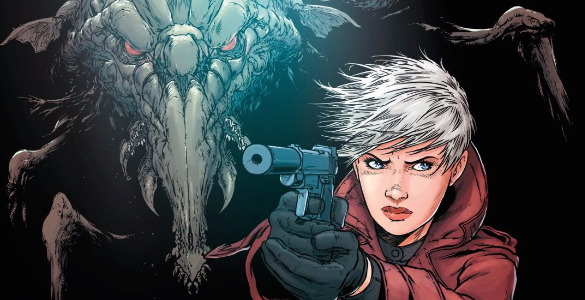
In a world as complicated as this one, replete with conspiracies between corporations, technology theft, aliens living among us puny humans, and a gigantic cast of characters, it helps to find ways to keep things simple. In The Wild Storm 5, writer Warren Ellis and artist Jon Davis-Hunt introduce many new, somewhat confusing elements to the narrative, but underscore these revelations with a firm grounding in characters’ wants and needs. Continue reading

Everybody Wants to Go Home in Green Lanterns 25

by Patrick Ehlers

Green Lanterns 25

This article contains SPOILERS. If you haven’t read the issue yet, proceed at your own risk!

In the first 20ish issues of Green Lanterns, Simon Baz and Jessica Cruz where largely earthbound Green Lanterns. Even the appearance of Volthoom — a villain that traverses all space and time — didn’t shift writer Sam Humphries’ focus away from their home planet of Earth. Issue 25 kicks off the second consecutive arc in outer space by constantly reminding the reader how much more the characters would rather be at home. In fact, that desire to be home extends beyond our heroes, right to the villain, the aforementioned First Lantern, Volthoom. Continue reading

Super Sons 5: Discussion

by Mark Mitchell and Michael DeLaney

This article contains SPOILERS. If you haven’t read the issue yet, proceed at your own risk!

slim-banner

Mark: When I was about twelve years old, some friends and I got it in our heads that we deserved to go to a Six Flags theme park located two hours away from our city. We had just wrapped up a school assignment and were feeling pretty good about it; going to Six Flags was, to our minds, a reasonable reward for a job well done. My parents, for what I now recognize to be completely legitimate reasons, were quick to kibosh the idea — they weren’t interested in driving a Suburban full of sweaty pre-teens two hours to a theme park, driving two hours home, and then doing it all again later that night in order to pick us up. Plus, since I was twelve and had no money of my own to pay for park admission or food once I got in, they would basically be paying me $100 for the pleasure. All because me and my friends felt like we should be rewarded for completing our homework. I was furious.

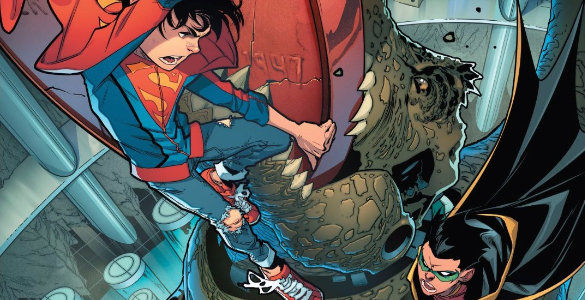
Dealing with pre-teens and teenagers can be infuriating. They are, after all, categorically terrible; self-absorption coupled with crippling insecurity is a toxic combination. But it’s not their fault nature made them that way. Kids are constantly confronted with situations and decisions they are ill-prepared to face, lacking both the context and emotional experience to properly process and asses the situation. But that doesn’t make it any less irritating to be around them. Continue reading

“The War of Jokes and Riddles” Gives Batman Another Opportunity to Feel Guilty in Batman 25

by Spencer Irwin

Batman 25

This article contains SPOILERS. If you haven’t read the issue yet, proceed at your own risk!

It takes quite a bit of hubris to think you can singlehandedly end crime, even in just one city. I’ve never been a fan of the interpretations that paint Batman as insane or as the genesis of his own enemies, but I do think there’s some merit to examining the negative effects his crusade on crime may create. That’s exactly what Tom King and Mikel Janin seem ready to do in “The War of Jokes and Riddles,” a storyline pitting the Joker and the Riddler against each other in a city-wide gang war that, of course, Batman blames himself for. Continue reading

Economic Disparity and a Glimpse of Things to Come in Green Arrow 25

by Michael DeLaney

Green Arrow 25

This article contains SPOILERS. If you haven’t read the issue yet, proceed at your own risk!

Michael: Nick Spencer has thrown the entire nation into a tyrannical nightmare in Secret Empire. In Green Arrow Benjamin Percy focuses on political corruption and the American class system on the city level – which definitely vibes with the grassroots, personal touch often associated with the Emerald Archer. In Green Arrow 25 Percy uses the establishment of Star City as the most heightened allegory for the disparity between the 1% and the majority of Americans. Continue reading

Alfred’s Past Shines a New Light on His Relationship with Bruce in All-Star Batman 11

by Spencer Irwin

All-Star Batman 11

This article will contain SPOILERS. If you haven’t read the issue yet, proceed at your own risk!

Alfred fills a peculiar role in Batman’s world. He’s Bruce’s father figure, but also his servant; he’s the Dark Knight’s staunchest ally, but also his greatest critic. The one thing these disparate titles have in common is that they cast Alfred as a supporting player — indeed, it’s often easy to forget that Alfred Pennyworth is a man with his own life and history, not just someone who cleans up after Batman. That’s something Scott Snyder and Rafael Albuquerque are out to change in “The First Ally,” a storyline that dives into Alfred’s past and uses his history with his father to shine a new light on his relationship with Bruce. Continue reading

Despair in the Denouement in Wonder Woman 24

by Ryan Mogge

Wonder Woman 24

This article contains SPOILERS. If you haven’t read the issue yet, proceed at your own risk!

In a classical Greek tragedy, no matter whether they achieve their goals, the protagonists of a story end up worse off than they started. In Wonder Woman 24, everyone is at once successful and miserable. Greg Rucka focus on three women living in pain even after reaching their objectives.

After seeing her mother and being only a step away from Themyscria, Diana is distraught when she returns. Rucka indicates that Diana is not her usual self in the way that she carelessly leaves Cheetah behind. It wouldn’t necessarily be careless if a regular person did it, but Wonder Woman has set standards of empathy and kindness that even she cannot always live up to. When Etta calls her out, it only takes a moment before Diana is ready to take action. Even in her guilt, she is committed to making things right. Continue reading

Knowledge is the Key to Victory in the Flash 24

by Spencer Irwin

This article will contain SPOILERS. If you haven’t read the issue yet, proceed at your own risk!

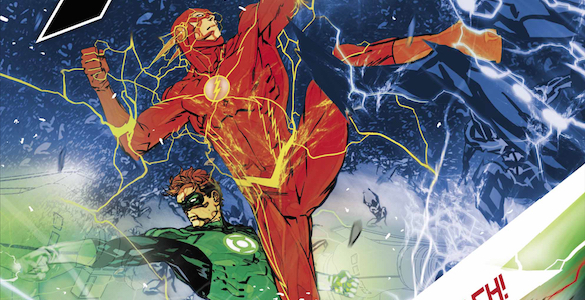
Knowledge is power. Yeah, it’s cliche, but that doesn’t make it any less true; it’s especially true throughout Joshua Williamson, Carmine Di Giandomenico, and Pop Mhan’s The Flash 24, where the power dynamics between each character are defined almost solely by how much they know. Not only does the Flash’s victory over Multiplex come, not from brute strength, but from using his CSI skills to learn about his opponent, but Reverse Flash’s utter domination of all who face him is largely powered by his knowledge of the time before the New 52. Continue reading